Trying to choose between a classic brownstone and a full-service tower in Brooklyn Heights? It is one of the most important lifestyle decisions you can make in this neighborhood, because the two experiences can feel completely different day to day. If you are weighing charm, privacy, amenities, maintenance, and access to the waterfront, this guide will help you compare the tradeoffs and decide what fits your routine best. Let’s dive in.
Brooklyn Heights Has Two Distinct Living Styles
Brooklyn Heights is one of New York City’s most historic neighborhoods, and that history shapes how it feels today. The neighborhood became the city’s first Historic District in 1965, and much of it remains defined by low-rise brick and brownstone row houses rather than tall residential buildings.
That means your housing choice here is not just about square footage or price. In many cases, you are choosing between two very different ways of living: a more hands-on home with architectural character, or a more service-oriented building with shared amenities and easier day-to-day logistics.
What Brownstone Living Feels Like
Brownstones in Brooklyn Heights are typically 3- to 4-story stoop houses. The main floor usually sits above street level, the garden level is often partly below grade, and many lots include a private rear garden.
In practice, the term “brownstone” can describe several townhouse or rowhouse layouts. That means one home may feel very different from the next, even on the same block.
Brownstones Offer Historic Character
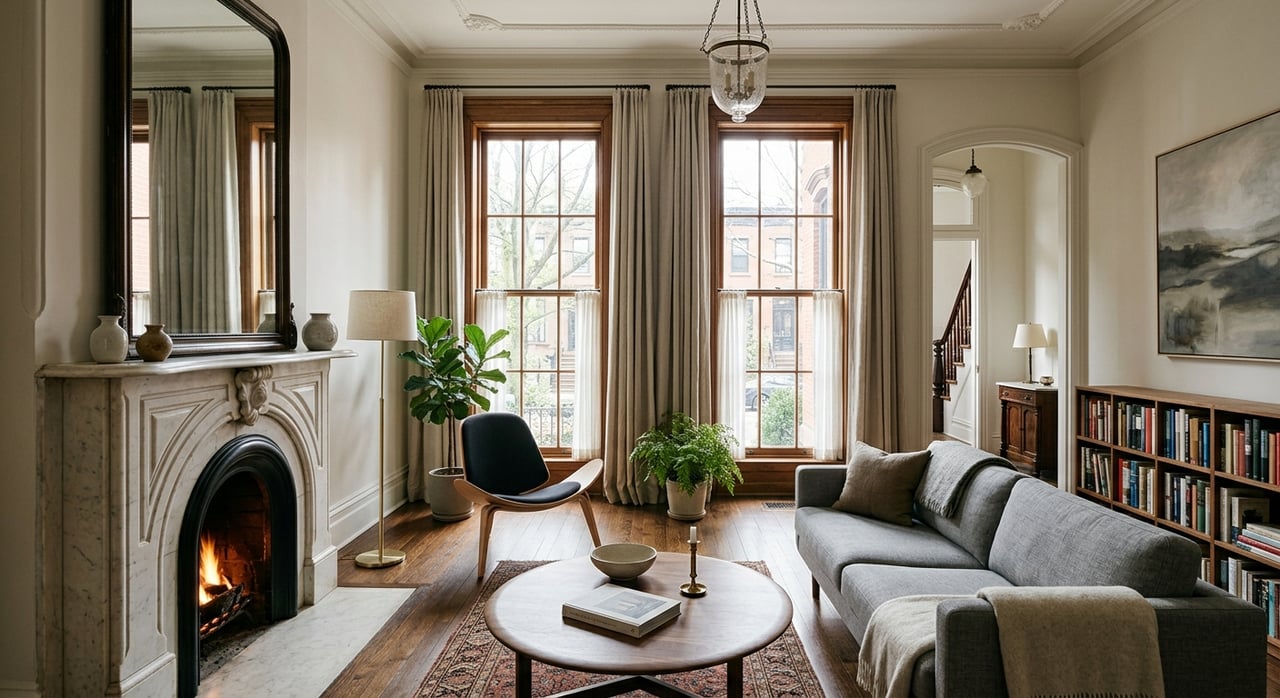
For many buyers, the biggest appeal is the interior detail. Brownstones often include features like fireplaces, high ceilings, detailed woodwork, moldings, exposed brick, and ceiling medallions.
These details can make a home feel unique and less standardized than a typical condo apartment. If you want a place with visible history and a stronger sense of architectural identity, a brownstone may be the better fit.
Layouts Can Vary a Lot
Many brownstone apartments are conversion units, which means the experience depends heavily on which part of the house you occupy. Parlor-floor homes often have the most dramatic ceiling height and window scale, while garden-level units may feel quieter and more connected to the rear yard, but also more compact.
That variation matters if you are comparing listings online. Two apartments with similar square footage can feel very different in person depending on floor level, light, and how the house was divided.
Ownership Is More Hands-On
Brownstone living often comes with more owner responsibility. Older townhouse ownership usually means more direct attention to the roof, building shell, and systems than you would expect in a larger condo or co-op building.
In Brooklyn Heights, there is another layer to consider. Because so much of the neighborhood sits within a historic district, exterior changes like façade work, windows, stoops, and other visible alterations may require Landmark Preservation Commission review.
Brownstones Often Suit Buyers Who Value Privacy
A brownstone can offer a quieter and more private rhythm than a larger building. Fewer shared spaces, fewer neighbors passing through a lobby, and direct street entry can make daily life feel more residential and self-contained.
That said, privacy often comes with more responsibility. If you like the idea of a home that feels personal and distinctive, and you are comfortable with a more hands-on setup, brownstone living may feel rewarding.
What Tower Living Feels Like
Tower living in Brooklyn Heights tends to cluster along the neighborhood’s edges and waterfront rather than in the middle of its historic interior blocks. Buildings such as One Clinton, Quay Tower, and One Brooklyn Bridge Park represent a very different experience from classic rowhouse living.
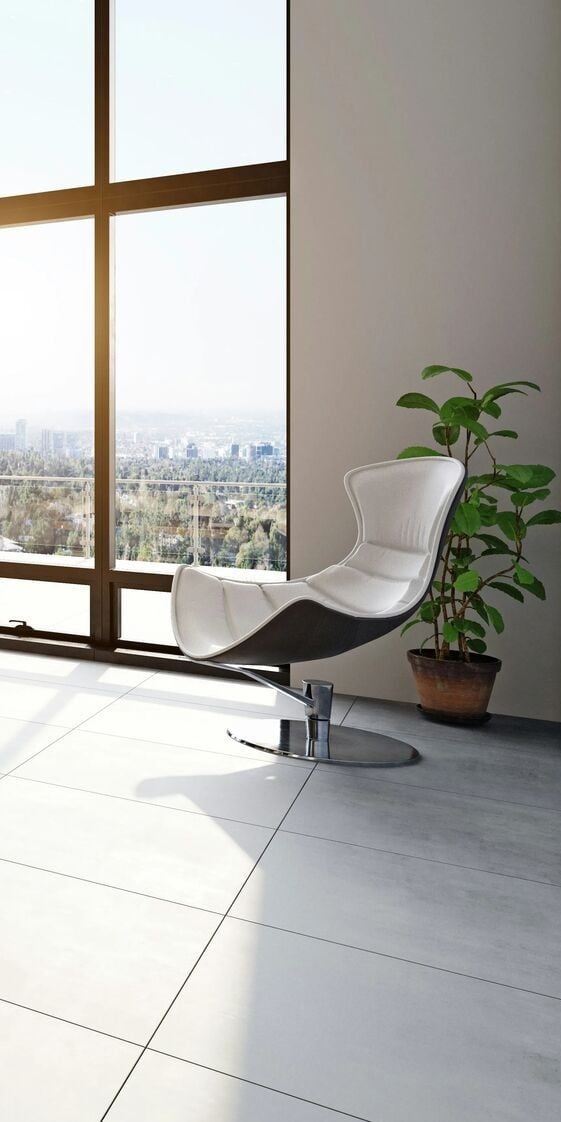
Instead of stoops and private entries, tower life usually revolves around elevators, attended lobbies, package handling, and access to shared amenities. For many buyers, that creates a simpler and more predictable daily routine.
Towers Prioritize Convenience
A full-service building can reduce a lot of small frictions in everyday life. Depending on the property, features may include a 24-hour attended lobby, resident manager, concierge services, package room, laundry in building, storage, fitness spaces, terraces, and parking.
That convenience can be especially appealing if you travel often, work long hours, or simply want less home-related upkeep. It can also make move-in life feel more streamlined for first-time buyers who prefer structure and support.
Amenities Shape Daily Routine
In a tower, the building itself often becomes part of your lifestyle. Fitness centers, lounges, landscaped terraces, screening rooms, playrooms, and rooftop spaces can change how often you leave the building and how you use your free time.
This is one of the clearest differences from brownstone living. In a townhouse-style home, the focus is often on the apartment itself. In a tower, the building’s services and common areas may become a major part of the value.
Carrying Costs Work Differently
That convenience usually comes with recurring monthly costs. In condos, common charges help cover the repair, maintenance, improvement, or operation of common areas. In co-ops, maintenance charges are typically based on your shares in the building.
This does not automatically make tower living better or worse from a financial perspective. It simply means your monthly budget should account for a different cost structure than a more independent brownstone setup.
Brownstone vs Tower: Key Tradeoffs
If you are deciding between the two, it helps to focus on how you want your home to function every day. Brooklyn Heights offers both historic charm and modern convenience, but rarely in the same package.
| Factor | Brownstone Living | Tower Living |
|---|---|---|
| Feel | Historic, intimate, distinctive | Modern, service-oriented, structured |
| Entry | Stoop or direct access | Lobby and elevator access |
| Maintenance | More hands-on | More predictable and shared |
| Amenities | Usually limited | Often extensive |
| Privacy | Often higher | More shared spaces |
| Architecture | Detailed and varied | More standardized layouts |
| Waterfront convenience | Depends on block | Often closer on waterfront sites |
How Location Within Brooklyn Heights Changes the Experience
Not all Brooklyn Heights homes connect to the neighborhood in the same way. Your exact block can strongly affect whether the area feels more promenade-oriented or more park-oriented.
Brownstones Near the Promenade
The Brooklyn Heights Promenade is an elevated walkway, not a residential street, and the eastern side is lined by the Brooklyn Heights Historic District. Homes near Columbia Heights and the western edge of the district may feel especially connected to the Promenade’s quiet, elevated views and historic streetscape.
If you picture Brooklyn Heights as tree-lined blocks, stoops, and classic architecture, this part of the neighborhood may align closely with that image. The experience is often more about the surrounding streets than building amenities.
Towers Near Brooklyn Bridge Park
Brooklyn Bridge Park stretches 1.3 miles along the East River next to Brooklyn Heights and DUMBO. Waterfront towers on Furman Street and at Pier 6 tend to feel more directly connected to the park’s lawns, playgrounds, terraces, and ferry access.
That can be a major draw if you want immediate outdoor access and easier proximity to the waterfront. The park also notes that nearby parking is very limited, which makes in-building parking a more meaningful feature for buyers considering the tower segment.
Which Option Fits Your Lifestyle Best?
A brownstone often makes sense if you care most about architecture, privacy, and living in a home with visible historic detail. It may also appeal to you if you are comfortable with more upkeep and understand that exterior work in a landmarked district can involve added planning.
A tower may be a better fit if you prioritize elevators, staffed service, amenities, package handling, and easier access to the waterfront. If you want a more predictable maintenance structure and a home that supports a busy schedule, tower living can feel more practical.
Neither choice is universally better. The right answer depends on whether you want your home to feel more like a historic residence you steward or a full-service building that simplifies daily life.
If you are comparing specific Brooklyn Heights co-ops or condos, the most useful next step is to match the building type to your actual routine, budget, and long-term plans. That kind of side-by-side thinking usually leads to a better decision than focusing on style alone.
When you are ready to talk through the tradeoffs in real terms, from building type to monthly costs to day-to-day livability, Kunal NYC Real Estate can help you make a clear, confident choice.
FAQs
Is brownstone living in Brooklyn Heights more work than tower living?
- Yes. Brownstone living is usually more hands-on because older townhouse ownership often involves more responsibility for the roof, shell, and systems, and exterior work in the historic district may require additional review.
Are most homes in Brooklyn Heights brownstones or towers?
- Brooklyn Heights is still overwhelmingly defined by low-rise brick and brownstone row houses, with towers concentrated more along edge and waterfront locations.
Do Brooklyn Heights towers usually have more amenities than brownstones?
- Yes. Towers and full-service buildings in Brooklyn Heights often include features like attended lobbies, package handling, fitness spaces, lounges, terraces, storage, and sometimes parking.
What is the difference between the Promenade and Brooklyn Bridge Park in Brooklyn Heights?
- The Promenade is an elevated public walkway along the western edge of the historic district, while Brooklyn Bridge Park is a 1.3-mile waterfront park with lawns, piers, playgrounds, and ferry access.
Are waterfront towers in Brooklyn Heights closer to the park?
- Generally, yes. Waterfront buildings on Furman Street and at Pier 6 tend to feel more directly connected to Brooklyn Bridge Park than inland brownstone blocks.
Who should consider a brownstone in Brooklyn Heights?
- Brownstone living usually suits buyers who value architectural character, privacy, and a more personal, less standardized home experience.