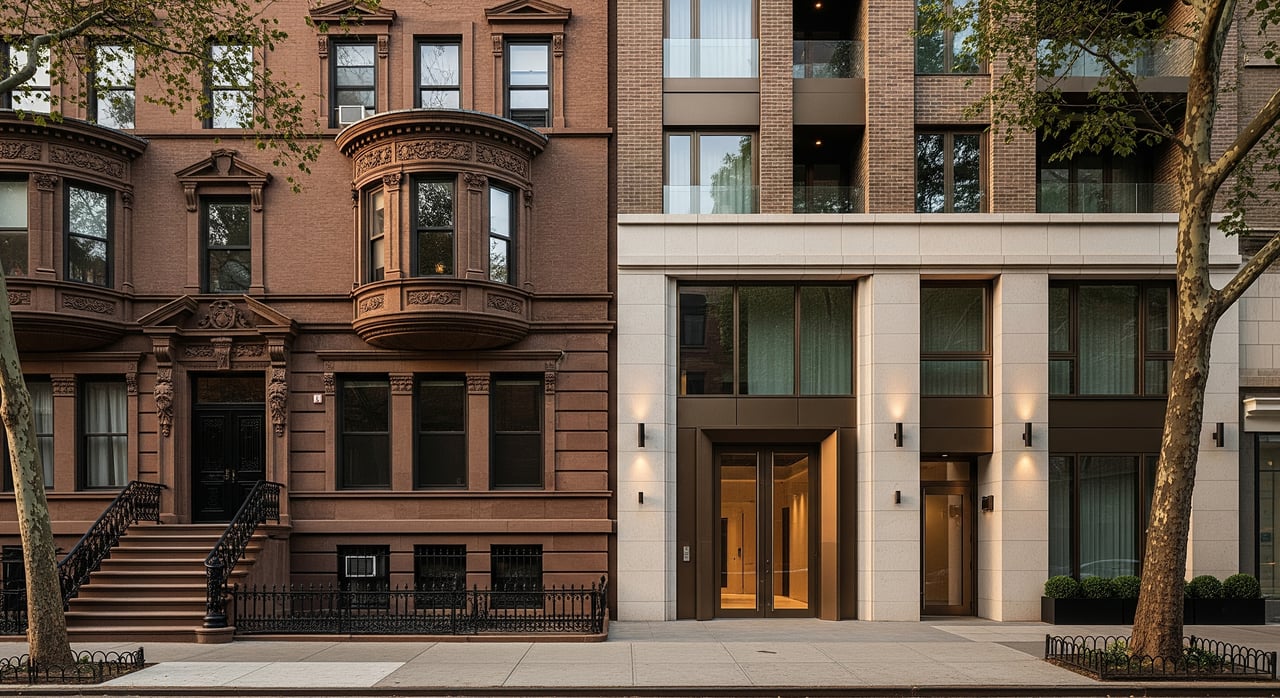
Thinking about buying in Jackson Heights but not sure if a co-op or a condo fits you best? You are not alone. First-time buyers often wrestle with price, monthly costs, board approvals, and sublet rules. In this guide, you will learn the key differences, typical timelines, what to ask for when reviewing buildings, and a simple checklist to make a confident choice. Let’s dive in.
Co-op vs condo: what you own
Co-op ownership means you buy shares in a corporation that owns the entire building. You receive a proprietary lease or occupancy agreement for your apartment. You do not hold a deed to a specific unit.
Condo ownership means you buy real property. You receive a deed to your unit and a percentage interest in the common areas. You are part of a condo association governed by a declaration and bylaws.
In practice, co-ops often have stricter buyer screening and resale rules. Condos tend to allow easier sales and rentals, though every building sets its own policies.
Monthly costs explained
Co-ops charge a single monthly maintenance fee. This often includes the building’s property taxes, any underlying building mortgage, staff, insurance, heat or hot water in many cases, and reserves. Maintenance can look higher because taxes and building debt are built in.
Condos charge a monthly common charge that covers shared expenses like staff, insurance for common areas, and common utilities. You also pay your unit’s property taxes separately. Heat and hot water are usually your responsibility if individually metered.
The smart move is to compare total monthly carrying cost. For a co-op, look at maintenance in detail. For a condo, add common charges plus your unit tax bill and expected utilities to see the true monthly number.
Price, financing, and closing costs
In many NYC neighborhoods, including Jackson Heights, co-ops often price lower per square foot than condos with similar size or condition. That is because co-ops usually have more restrictions on subletting and resale and require board approval. Newer or fully renovated condos often command a premium. Always compare recent local sales for an apples-to-apples view.
Financing is different too. Co-op loans are secured by your shares and proprietary lease. Many co-ops expect at least 20 to 25 percent down, and some require more. Lenders evaluate both you and the building’s financials. Condos typically allow lower down payments with conventional loans, and certain condos may be eligible for programs with even lower down payments if they meet approval criteria.
Closing costs vary by property type. Condo buyers usually pay mortgage recording tax and title insurance because a condo is real property. Co-op purchases are share transfers, so the tax and fee structure differs, and many co-ops have a flip tax or transfer fee. Who pays a flip tax depends on each building’s bylaws or offering plan. Always confirm with your attorney what applies in your specific deal.
Board approvals and timelines
A co-op purchase includes a detailed board package. Expect application forms, financial statements, tax returns, employment and income verification, bank and investment statements, references, and a mortgage commitment or proof of funds. After review, the board schedules an interview. From contract signing to board decision, 2 to 6 weeks is common, but every building is different.
Co-op boards can approve, approve with conditions, or reject. That discretion is a core feature of co-op governance. Condos usually require a simpler purchaser registration or questionnaire and proof of financing. Condo boards have fewer grounds to deny a buyer, which can streamline your closing timeline.
Subletting, renovations, and pets
Co-ops often require an owner-occupancy period before you can sublet. Many place caps on the number of sublets and require board approval for each subtenant. Lease lengths, fees, and deposits may apply. This protects owner-occupancy and building culture, but it reduces flexibility.
Condos are usually more rental-friendly. Many allow leasing with simple registration and notice, while still limiting short-term rentals. Renovations in both co-ops and condos require approval and an alteration agreement, but co-ops can be more conservative with structural changes.
Pet policies vary. Do not assume. Ask for the current house rules or bylaws and any recent changes noted in meeting minutes.
Jackson Heights: what you will see
Jackson Heights offers a wide mix of buildings. You will find prewar garden apartments and walk-up co-ops with classic layouts and lower price points, often with stricter boards and fewer amenities. Mid-century elevator co-ops may add conveniences like on-site laundry or a part-time doorman, which can influence maintenance costs.
You will also see condo conversions and newer condos near transit corridors. These often have more flexible rental policies and are easier to finance with a range of loan programs. Proximity to the 7, E, and F lines draws commuters, and unit sizes vary from studios to multi-bedroom homes.
When comparing, tie the building type to your plan. If you want long-term owner occupancy and price efficiency, a co-op may be appealing. If you value flexibility to rent in the future or need a faster close, a condo might fit better.
Quick decision checklist
- Affordability vs flexibility: co-op often costs less upfront but has more rules. Condo usually costs more but gives more freedom to rent and sell.
- Timeline: need a fast close? Condos often move quicker because approval is lighter.
- Financing: confirm down payment requirements early. For program loans, verify building eligibility.
- Total monthly cost: compare maintenance for a co-op vs common charges plus taxes and utilities for a condo.
- Rules that matter: review sublet policy, renovation limits, pet rules, and resale procedures.
- Building financials: look at budget, reserves, and any underlying co-op mortgage.
How to vet a specific building
Request documents before you commit. For both co-ops and condos, ask for:
- Current budget, last year’s financials, and recent meeting minutes.
- House rules, alteration guidelines, pet policy, and sublet policy.
- Any disclosures about pending litigation or capital projects.
If it is a co-op, also review:
- Proprietary lease, bylaws, and any flip tax or transfer fee details.
- Building’s underlying mortgage and reserve levels.
- Board package requirements and any known down payment expectations.
If it is a condo, also review:
- Declaration and bylaws, master insurance details, and rental registration rules.
- Recent unit tax bills and assessment history if available.
Sample scenarios to guide your choice
- You want the most square footage within budget and plan to live there for years. A co-op could fit if you are comfortable with board approval and sublet limits.
- You may relocate within a few years and want the option to rent. A condo’s rental flexibility and simpler approval can be a better match.
- You need a lower down payment or a faster close. Many condos accommodate lower down payments and shorter timelines, depending on the building and lender.
Next steps for first-time buyers
- Map your budget and comfort zone for monthly costs. Build in maintenance or common charges, taxes, utilities, and a reserve for repairs.
- Get a strong pre-approval and confirm building eligibility for your loan type.
- Narrow to building types that match your goals. Shortlist 2 to 3 co-ops and 2 to 3 condos in Jackson Heights.
- Review documents and compare policies side by side. Focus on sublet rules, flip taxes or transfer fees, renovation limits, and building financial health.
- Prepare your board package early if you pursue a co-op. Clean, complete applications often move faster.
Ready to find the right fit in Jackson Heights and move forward with confidence? Reach out to schedule a buyer consult with Kunal NYC Real Estate for hands-on help comparing buildings, preparing your package, and negotiating the best outcome.
FAQs
Which is cheaper monthly in Jackson Heights, a co-op or a condo?
- It depends. Co-op maintenance often includes taxes and building debt, while condos add property taxes on top of common charges. Compare total monthly costs line by line.
How much down payment do I need for a co-op vs a condo?
- Many co-ops expect 20 to 25 percent or more, while condos often allow 10 to 20 percent with conventional loans. Confirm building and lender requirements early.
Can I rent out my place later in Jackson Heights?
- Condos usually permit leasing with registration and set lease terms, while co-ops often require owner occupancy first, cap sublets, and need board approval for each subtenant.
How long does a co-op approval take compared to a condo?
- Co-op board review and interview typically add 2 to 6 weeks after contract, while condos usually have a lighter registration process and can close faster.
What is a flip tax and who pays it?
- Many co-ops charge a flip tax at sale, which can be a flat fee or a percentage. The buyer or seller may pay it depending on the building’s bylaws.
What documents should I request before making an offer?
- Ask for the budget, recent financials, minutes, house rules, sublet policy, alteration rules, and any transfer or flip tax details, plus the proprietary lease for co-ops or declaration for condos.