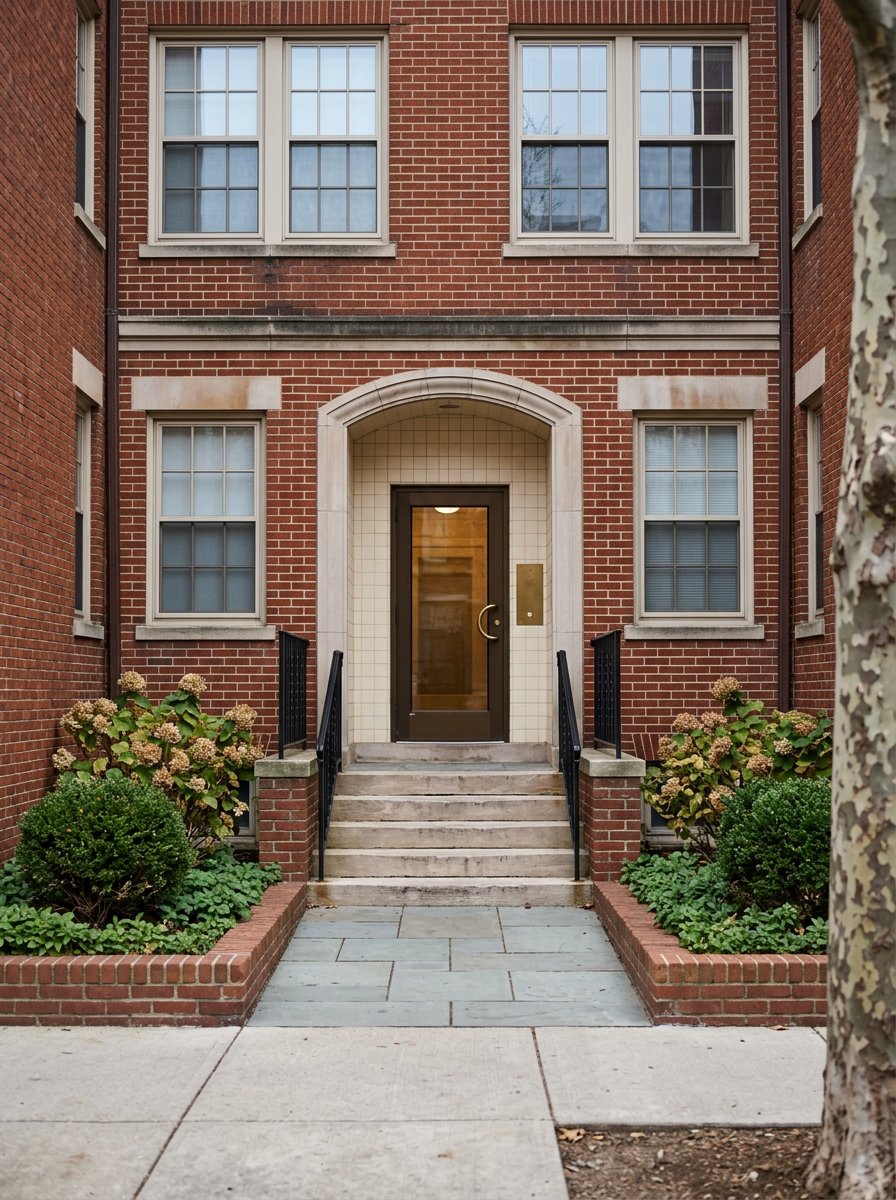
Buying your first Forest Hills co-op can feel like learning a new language. You are weighing commute times, comparing buildings, and trying to decode board rules while staying on budget. This guide breaks the process into clear steps, local context, and practical checklists so you can make confident decisions. Let’s dive in.
Co-op basics in plain English
What you actually own
In a co-op you purchase shares in a corporation that owns the building and receive a proprietary lease for your apartment. You do not get a deed like you would with a condo. If you are new to co-ops, start with a quick primer on what a co-op is and how it works.
Maintenance and monthly costs
Your monthly carrying cost is called maintenance. It typically covers building staff and operations, the building’s property tax bill, insurance, common-area utilities, and payments on any building-wide underlying mortgage. Because taxes and building debt flow through maintenance, that single number is central to your monthly budget.
Board rules to expect
Co-op boards approve buyers and set policies. Expect to submit a full board package, interview, and follow rules around renovations, sublets, and move-ins. For background on the approval process and common documentation, review this overview of how co-op boards evaluate buyers.
How financing works
Instead of a traditional mortgage on real property, you usually take a share loan secured by your stock certificate and proprietary lease. Lenders look at both your finances and the building’s financial health. Some government-backed loans require the building to be approved at the project level, which we cover below.
Forest Hills co-ops at a glance
Forest Hills sits in Queens, largely in the 11375 zip code, with a mix of prewar and postwar apartment buildings and a historic planned community at its core. It is known for tree-lined blocks, daily conveniences along Austin Street, and quick subway access. A recent market snapshot noted Forest Hills as one of the more active Queens submarkets, and the January 2026 median asking price for Queens as a whole was about $678,000, according to StreetEasy’s metro report. Co-op listings in Forest Hills often price within reach for first-time buyers, with studios commonly in the mid $200,000s and many one-bedrooms in the low to mid $400,000s. Larger homes and full-service buildings ask more.
Building styles you will tour
- Forest Hills Gardens and garden-style co-ops: Tudor accents, landscaped courts, and unique covenants add character to this planned community. Explore the area’s history through the Forest Hills Gardens Corporation.
- Prewar elevator and walk-up co-ops: Solid construction, generous room sizes, and many budget-friendly studios and one-bedrooms.
- Postwar mid and high-rises: Often offer elevators, part-time or full-time doormen, varying amenity packages, and larger two-bedrooms.
Commute and daily convenience
The Forest Hills–71st Avenue hub serves the E, F, M, and R lines, with express options that connect you to Midtown. Review the station’s service profile on the Forest Hills–71st Avenue page. Many buyers choose Forest Hills for that reliability plus the retail, dining, and everyday services clustered on Austin Street.
What price ranges look like
Forest Hills typically offers a wide spread of co-op options. Entry-level studios can provide a lower monthly payment than renting, while well-renovated one-bedrooms and two-bedrooms vary by building, size, and amenities. When comparing value, look at both asking price and maintenance, since a lower price with high maintenance can still cost more each month than a slightly higher price with lower carrying costs.
What boards and lenders expect
Down payment and reserves
Most NYC co-ops expect a down payment of about 20 to 30 percent. Some buildings require more, so confirm the building rule early. Many boards also want to see 12 to 24 months of mortgage and maintenance in liquid assets after closing. These standards vary, but planning for them up front helps you avoid surprises. For a high-level timeline and co-op process, see this guide to buying a co-op in NYC.
Debt ratios and income
Even if your lender approves your loan, a board may still decline if your debt-to-income looks high or your post-closing liquidity is thin. Many co-ops apply conservative thresholds, so present clear, well-documented finances in your board package.
FHA, VA, and special programs
FHA or VA financing for apartments is possible only when the specific building has project approval. Many older co-ops do not. If you plan to use one of these programs, check the HUD project search early in your process.
Timeline to closing
From accepted offer to closing, plan for roughly 8 to 16 weeks. Your schedule will depend on lender underwriting, how fast you compile a complete board package, the building’s review timing, and the interview schedule. Organized buyers often close faster.
What to check before you bid
Financial health of the building
- Audited financials and budget: Look for consistent operating surpluses and a healthy reserve fund.
- Underlying mortgage: Building-wide debt raises maintenance and can influence board policy and future assessments.
- Reserve balance and assessments: Repeated or large special assessments can signal a thin reserve.
Policy rules that affect resale
- Sublet policy: Many co-ops restrict sublets or require owner-occupancy for a set period.
- Flip tax: Some buildings charge a fee at sale that can reduce your net proceeds. Confirm the formula and who pays it.
- Renovation rules: Ask for alteration agreements to understand approvals, deposits, and timelines.
Physical and regulatory risks
- Facade safety inspections: Buildings over six stories must follow the city’s Façade Inspection and Safety Program. Deferred work can mean sidewalk sheds or large repair bills. Learn about compliance cycles in this overview of NYC building permits and facade rules.
- Local Law 97 and efficiency upgrades: Carbon reduction requirements can drive capital projects that affect maintenance.
- Open violations: Ask your attorney to check Department of Buildings records for open violations, elevator issues, or fire-safety items.
Lifestyle and location checks
- Commute: Confirm travel times on the E, F, M, and R from Forest Hills–71st Avenue during your typical commute.
- Daily errands: Assess distance to groceries, pharmacies, and Austin Street retail.
- Parking: On-site parking can be limited or waitlisted. Ask about fees and policies.
- Sound and light: Tour at different times to gauge street noise and natural light in the apartment.
Step-by-step buying plan
- Set a realistic budget
- Estimate your total monthly payment by adding principal and interest, maintenance, and any private mortgage insurance if applicable.
- Decide on a down payment target and how much you will keep in liquid reserves after closing.
- Get pre-qualified for a share loan
- Speak with a lender experienced in NYC co-ops and confirm they underwrite share loans.
- Ask for a written pre-approval that outlines loan structure and an estimated timeline.
- Tour with a clear checklist
- Compare maintenance, recent assessments, and building amenities across listings.
- Confirm sublet policy, flip tax, pet policy, and renovation rules before you fall in love with a unit.
- Prepare your financials early
- Complete the REBNY financial statement and gather tax returns, pay stubs, bank and brokerage statements, and reference letters. You can review standard forms on REBNY’s forms page.
- Verify which assets the board will count as liquid.
- Make a strong offer
- Present your pre-approval, REBNY statement, and proof of funds with the offer.
- Ask early about building “minimums” such as down payment and post-closing liquidity to avoid delays.
- Assemble a complete board package
- Follow the checklist carefully. Incomplete packages slow approvals.
- Write a simple cover letter that explains who you are, your job stability, and why you want the home.
- Prepare for the interview
- Be on time, be concise, and keep the conversation focused on your stability and intent to be a good neighbor.
- Close and plan move-in
- Review building move-in fees and deposits, reserve the elevator if needed, and confirm the superintendent’s schedule.
Smart negotiation and prep tips
- Lead with clarity. A clean offer with strong documentation often beats a higher number with uncertainty.
- Optimize your monthly payment. If your liquidity is tight, consider a slightly higher down payment or a building with lower maintenance to meet board expectations.
- Watch total cost of ownership. A lower asking price with high maintenance can cost more over time.
- Time your contingencies. Speak with your lender about appraisal and financing timelines so your contract dates are realistic.
- Stay responsive. Quick answers and complete documents keep momentum and reduce risk of delays.
Final thoughts
Buying a co-op in Forest Hills is more than picking a floor plan. It is about choosing a financially sound building, matching the board’s expectations, and aligning your monthly budget with your lifestyle. With the right prep and a focused plan, you can secure a home that works today and holds value over time.
If you want a calm, step-by-step path from search to board approval, connect with Kunal NYC Real Estate for a personalized consultation.
FAQs
Can I use FHA or VA financing for a Forest Hills co-op?
- Only if the specific building has FHA or VA project approval. Many co-ops are not approved, so check early using the HUD project search.
How much cash should I plan for at closing beyond the down payment?
- Budget for attorney and lender fees, building application and move-in deposits, and funds to meet the board’s post-closing liquidity rule, which often ranges from 12 to 24 months of mortgage and maintenance.
How long does it take to close on a co-op in Forest Hills?
- Many purchases close in about 8 to 16 weeks from accepted offer, depending on lender speed, how complete your board package is, and the building’s review and interview timing.
What does co-op maintenance usually cover each month?
- Maintenance typically pays for building staff and operations, building insurance, the co-op’s property taxes, common-area utilities, and any payments on the building’s underlying mortgage.
What should I review in a building before making an offer?
- Ask for audited financials, the current budget and reserve balance, details on any underlying mortgage, recent board minutes, sublet and flip-tax policies, facade inspection status, and any planned capital projects.