Buying your first place in Queens can feel like a balancing act. You want a neighborhood that makes daily life easier, but you also need a price point and monthly payment that make sense. If Astoria is on your list, the real question is not whether it is popular. It is whether it is the right first move for your budget, commute, and long-term plan. Let’s dive in.
Astoria at a glance
Astoria stands out as a transit-friendly Queens neighborhood with a lively street scene, a mix of older and newer housing, and a location that appeals to many first-time buyers. StreetEasy currently shows a median sale price of $949K in Astoria, which places it above many classic starter markets in Queens.
That does not mean Astoria is out of reach. It does mean you need to shop with a clear plan. Current active listings in the neighborhood include a studio around $545K and one-bedrooms around $699K to $795K, which gives you a more realistic picture of what entry-level ownership can look like here.
Why first-time buyers look at Astoria
For many buyers, Astoria hits an appealing middle ground. You get a neighborhood with strong transit access, active commercial corridors, and a housing mix that includes both older co-ops and newer condos.
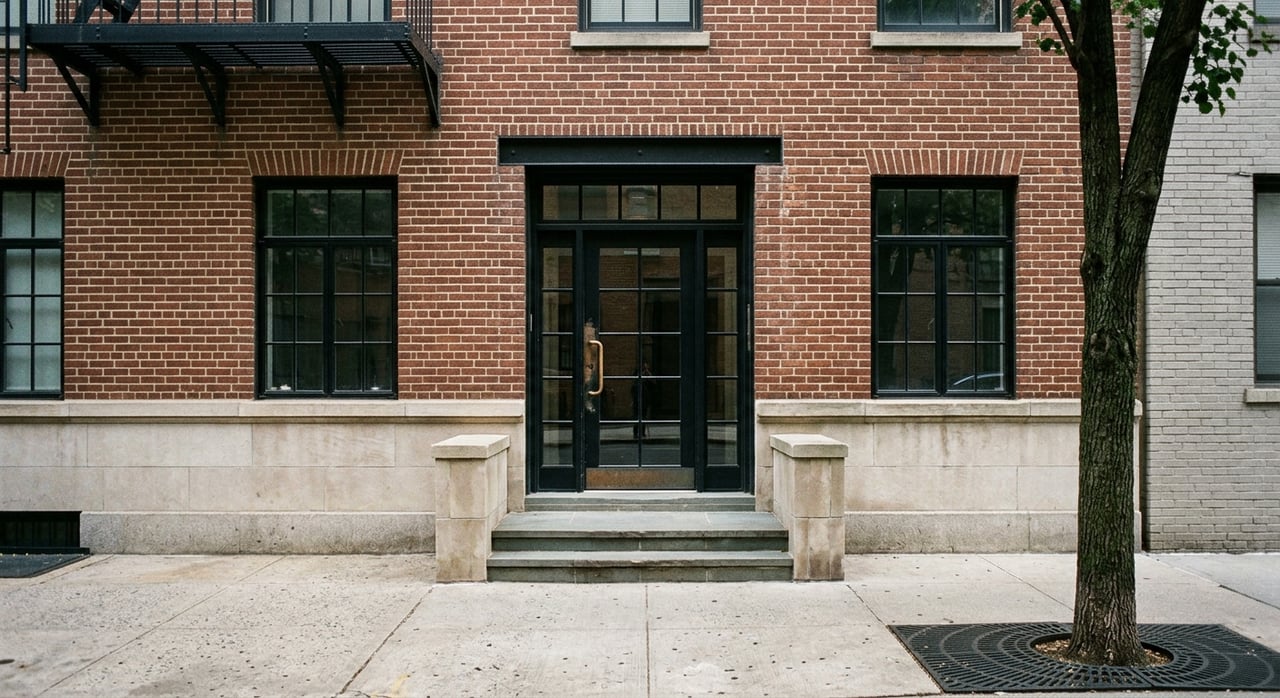
Astoria also offers variety in the built environment. NYC Planning describes the neighborhood as a mix of one- and two-family buildings, multi-family walkups, mixed commercial-residential buildings, and multi-family elevator buildings, with much of the housing stock built before 1938. In practical terms, that often means you will see older co-op inventory side by side with newer infill development.
Commute access matters
If your routine depends on getting around quickly, Astoria has a real advantage. The MTA says the N train runs from Astoria-Ditmars Blvd to Brooklyn at all times, and the neighborhood also has bus service including the M60-SBS and Q69.
There is also ferry access. NYC Ferry’s Astoria route connects the neighborhood with Long Island City, Roosevelt Island, East 34th Street, Brooklyn Navy Yard, and Wall Street/Pier 11. For buyers who care about flexibility in how they commute, that can be a meaningful plus.
Daily life is active and convenient
Astoria is known for busy commercial strips, especially around Broadway and 30th Avenue. That can translate into convenience in your daily routine, with more options close at hand and a lively street-level feel.
At the same time, convenience comes with tradeoffs. StreetEasy notes that street noise and foot traffic can be high in some parts of the neighborhood, and green space is more limited if you are not near Astoria Park.
Astoria Park adds outdoor value
Astoria Park is one of the neighborhood’s biggest amenities. StreetEasy highlights its running paths, sports fields, public pool, and East River views.
If outdoor access is part of your home search checklist, being near the park may add a lot to your day-to-day experience. It can also shape which blocks feel like the best fit for you.
What starter homes in Astoria really cost
The biggest mistake first-time buyers make in Astoria is focusing only on headline asking prices. The better approach is to understand the difference between co-ops and condos, then compare both purchase price and monthly carrying costs.
Recent NYC rolling sales records show Astoria co-op elevator apartments selling from about $305K to $995K. Condo walkup apartments at 31-16 21st Street traded from roughly $670K to $1.45M. That tells you something important right away: entry-level co-ops usually offer a lower point of entry than condos in Astoria.
Co-ops are often the starter path
If you are buying for the first time and trying to stay under $1M, a co-op may be the more realistic route in Astoria. Many starter co-ops are in older elevator or walk-up buildings, which often align better with value-conscious budgets.
StreetEasy also notes that co-ops are usually run by a board, and buyers purchase a share of the property rather than the unit itself. That means approval requirements and building rules matter more than they typically do in a condo purchase.
Condos usually start higher
Starter condos in Astoria tend to begin at a higher price point. StreetEasy’s active neighborhood snapshot includes one-bed listings around $699K and $725K, and condo sales data shows pricing can move well past that.
For some buyers, condos are still worth a close look. But if affordability is your top concern, you will usually want to compare condo options against co-ops very carefully before deciding Astoria is the best first move.
Monthly costs matter as much as price
A lower asking price does not always mean a lower monthly payment. This is especially important in Astoria, where building type can have a big impact on your carrying costs.
Co-op and condo fees are usually paid separately from the mortgage, and they can range from a few hundred dollars to more than $1,000 per month. NYC tax guidance also notes that co-op boards receive the building’s property tax bill and allocate it through common charges, while condo owners generally receive their own tax bill if they pay taxes directly.
The takeaway is simple: you should compare the full monthly number, not just the purchase price. That includes mortgage, fees, and any taxes structured through the building or billed directly.
How Astoria compares with other Queens starter markets
Astoria is attractive, but it is not the cheapest first-time-buyer option in Queens. In fact, the neighborhood sits on the pricier end when you compare it with other common starter markets.
StreetEasy currently shows Jackson Heights with a median sale price of $430K. Sunnyside’s current co-op listings cluster in the low-to-mid $300Ks. Woodside’s current StreetEasy medians are $214K for a studio co-op, $325K for a one-bedroom co-op, and $445K for a two-bedroom co-op.
Quick comparison
| Neighborhood | Current pricing snapshot |
|---|---|
| Astoria | Median sale about $949K |
| Jackson Heights | Median sale about $430K |
| Sunnyside | Many co-op listings in low-to-mid $300Ks |
| Woodside | Co-op medians about $214K to $445K |
This does not mean Astoria is overpriced. It means you are often paying more for its location, transit access, and street-level convenience.
When Astoria is the right first move
Astoria may be the right first move for you if your priorities line up with what the neighborhood does best. Buyers who value commute convenience, a dense retail and restaurant environment, and a strong everyday neighborhood rhythm often see the extra cost as worthwhile.
Astoria can also make sense if you are comfortable stretching somewhat on monthly costs in exchange for location. That is often the tradeoff in this part of Queens.
Astoria may fit you if you want:
- A direct Queens-to-Manhattan commute
- Multiple transit options, including subway, bus, and ferry
- A lively neighborhood feel with active commercial streets
- Access to Astoria Park and waterfront views
- A realistic path into ownership through older co-op stock
When another neighborhood may be smarter
If your top goal is maximum affordability, Astoria may not be your best first step. Buyers who want the most breathing room in their budget often find better value in Sunnyside, Jackson Heights, or Woodside.
That is especially true if your monthly payment limit is tight. In those neighborhoods, lower entry prices may give you more flexibility and reduce the pressure that can come with stretching into a higher-cost purchase.
Another Queens market may fit you better if you want:
- The lowest possible entry price
- More room in your monthly budget
- A co-op-focused search with more lower-cost options
- Less pressure to compromise on size or carrying costs
The bottom line on buying in Astoria
Astoria is not the obvious cheapest first move in Queens, but that is not really the point. The real value of Astoria is its combination of access, energy, and housing variety. If those features match how you want to live, buying here can be a smart first purchase.
If your budget is tight and your main goal is affordability, there may be stronger options nearby. But if you want commuter convenience, an active neighborhood setting, and are open to navigating co-op or condo tradeoffs carefully, Astoria deserves a serious look.
A first purchase in New York should feel informed, not rushed. If you want help comparing Astoria with other Queens options, weighing co-op versus condo choices, or understanding the real monthly cost of ownership, Kunal NYC Real Estate can help you build a plan that fits your budget and priorities.
FAQs
Is Astoria affordable for first-time buyers in Queens?
- Astoria can work for first-time buyers, but it is generally pricier than many other Queens starter markets, with a current median sale price around $949K and entry-level inventory often starting well above some nearby alternatives.
Are co-ops or condos more common for starter buyers in Astoria?
- Co-ops are often the more accessible starter option in Astoria because entry-level condos usually begin at a higher price point.
What makes Astoria appealing for a first home purchase?
- Astoria appeals to many first-time buyers because of its direct transit access, lively commercial corridors, housing variety, and amenities like Astoria Park.
How does Astoria compare with Sunnyside, Jackson Heights, and Woodside?
- Astoria usually costs more, while Sunnyside, Jackson Heights, and Woodside often offer lower entry prices and more budget flexibility for first-time buyers.
What should first-time buyers budget for beyond the purchase price in Astoria?
- You should budget for monthly carrying costs such as co-op maintenance or condo common charges, plus taxes where applicable, since those costs can significantly affect your total monthly payment.