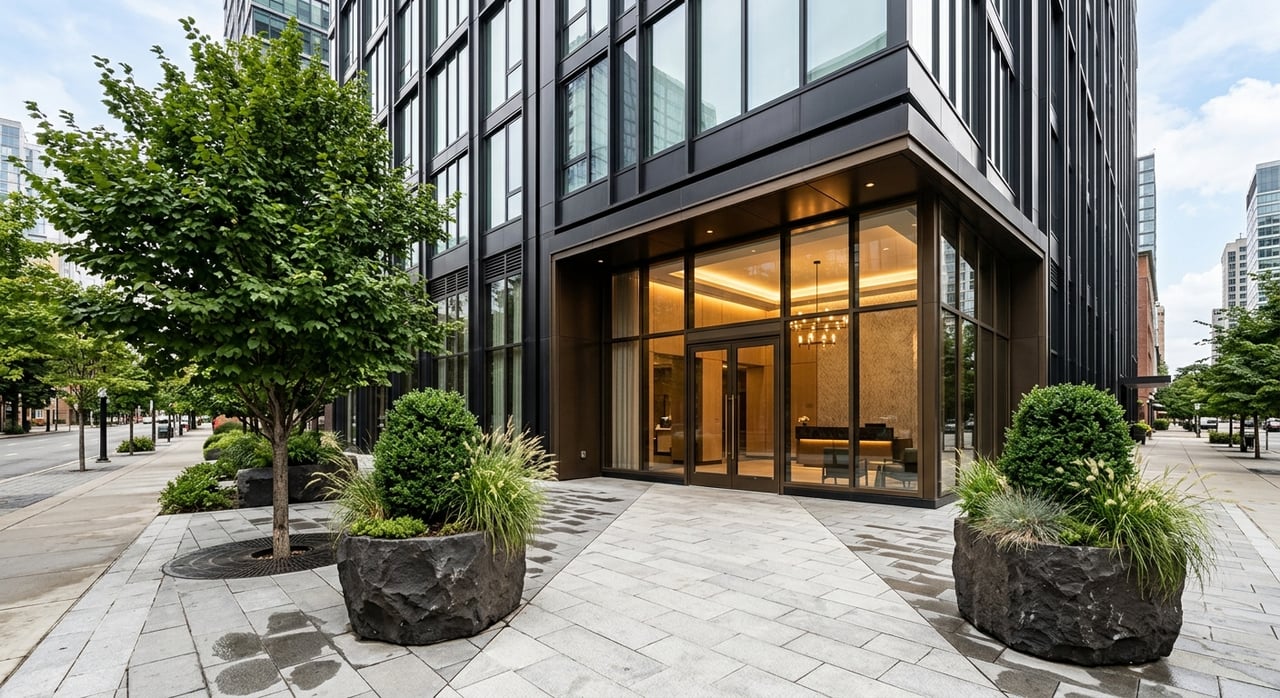
If you want a Brooklyn address with serious transit power, newer buildings, and a true live-work-play feel, Downtown Brooklyn is hard to ignore. But that does not automatically make it the right fit for your budget, lifestyle, or next move. This guide will help you weigh the real pros, tradeoffs, and day-to-day realities of living in Downtown Brooklyn so you can decide with more confidence. Let’s dive in.
What Downtown Brooklyn feels like today
Downtown Brooklyn is not just a business district anymore. City planning materials describe it as a dense mixed-use downtown and one of New York City’s biggest employment hubs outside Manhattan, with continued focus on housing, jobs, streets, and public space.
For you as a mover, that matters because the neighborhood functions as more than a place people pass through. It is a place where people live, commute, shop, work, and spend time day to day. That mix gives the area energy, convenience, and a pace that feels distinctly urban.
The neighborhood’s current shape was influenced by the 2004 rezoning and the Special Downtown Brooklyn District. According to city planning documents, that framework supported higher-density development, and much of the newer development has been residential. In practical terms, you will see a neighborhood defined by apartment living, mixed-use buildings, and an active street environment.
Housing in Downtown Brooklyn
If you are considering Downtown Brooklyn, the first thing to know is that this is overwhelmingly an apartment neighborhood. StreetEasy describes the area as a place that has seen major development since 2007, with a strong presence of condos and luxury rentals.
That does not mean every option feels identical or every building is brand new. The housing mix includes newer high-rise rentals and condos, along with a smaller amount of income-restricted housing connected to city-backed mixed-use development. So while the neighborhood often reads as polished and modern, it is not accurate to think of it as only one type of inventory.
What pricing suggests
Downtown Brooklyn generally prices convenience, transit access, and building amenities at a premium. StreetEasy’s current neighborhood figures show a median sale price of about $1.7 million and a median base rent of about $5,795.
Those numbers are directional, not a guarantee of what every home costs. Still, they help set expectations. If your purchase budget is under $1 million, you will likely need to be selective about unit size, finishes, or building age.
That point is especially important for first-time buyers and value-conscious shoppers. If you are comparing Downtown Brooklyn with other commuter-friendly Brooklyn neighborhoods, you may find that you are paying more here for access, newer stock, and amenities rather than maximum square footage.
Who may find value here
Downtown Brooklyn can make sense if you care most about location efficiency and low-friction daily living. You may be happy making some compromises on size if it means easier commutes, more train options, and a building with services or amenities.
If your top goal is getting the most space for your money, the neighborhood may feel challenging. That does not rule it out, but it does mean your search should start with clear priorities and realistic filters.
Transit is a major advantage
One of Downtown Brooklyn’s strongest selling points is transit. The neighborhood has major access points at Jay St-MetroTech, Hoyt-Schermerhorn, Hoyt St, Borough Hall, and Atlantic Av-Barclays Center, giving you broad subway coverage across multiple lines.
That kind of connectivity gives you flexibility, not just a commute. If you work in Manhattan, split time across boroughs, or want backup options when service changes, Downtown Brooklyn stands out.
Subway and rail access
The concentration of lines here is a real lifestyle benefit. You are not relying on one station or one train family. That can make a big difference when you are trying to get to work on time, meet friends in another borough, or move around the city without overthinking every trip.
Atlantic Terminal adds another layer. The MTA lists it in the City Terminal Zone for Long Island Rail Road service, which gives the area a rare combination of subway and commuter rail access.
Accessibility matters building by building
The MTA identifies several nearby stations as accessible, including Atlantic Av-Barclays Center, Borough Hall, Jay St-MetroTech, DeKalb Av, and Atlantic Terminal. At the same time, the MTA notes that not every transfer is accessible.
If elevator access is important to your household, it is smart to verify station conditions and transfer details before choosing a building. In a transit-rich area, the difference between “near a station” and “easy for your actual commute” can be meaningful.
Walking and biking options
The neighborhood also works well if you like to mix in walking or biking. NYC DOT notes that the Brooklyn Bridge connects Lower Manhattan and Brooklyn Heights with a pedestrian promenade and protected bike path.
That gives you another commuting tool beyond the subway. For some residents, that flexibility is part of the appeal of living here.
Lifestyle and neighborhood character
Downtown Brooklyn feels different from nearby brownstone neighborhoods. City and DOT materials describe a core shaped by judicial, governmental, commercial, academic, retail, and cultural uses, which helps explain the area’s busier and more institutional feel.
If you are expecting quiet blocks and a low-rise residential rhythm, this may not be what you find. If you want energy, convenience, and a neighborhood that stays active throughout the day, that may be a plus.
A more urban daily experience
This is a neighborhood where errands can feel efficient. Retail, transit, offices, and public activity all cluster closely together, which can make everyday life easier if you like having things at your fingertips.
The tradeoff is intensity. More foot traffic, more noise, and more street activity come with the territory.
Culture and public space
Downtown Brooklyn also has a meaningful cultural side. The New York Transit Museum is located in a decommissioned Court Street station at 99 Schermerhorn Street, and the broader Downtown Brooklyn Cultural District includes arts and performance activity centered around L10 at 10 Lafayette Avenue.
The city has also highlighted a walkable concentration of abolitionist-history sites across Downtown Brooklyn and nearby areas. If you enjoy living somewhere with civic and cultural texture, that adds depth to the neighborhood beyond convenience alone.
Green space nearby
Open space matters more in a dense neighborhood, and Fort Greene Park is one of the area’s biggest lifestyle advantages. NYC Parks lists it as a 30.17-acre park with playgrounds, basketball courts, tennis courts, and a long public history.
If you want city living without giving up access to a substantial neighborhood park, that is a real benefit. For many movers, nearby green space helps balance out the density of Downtown Brooklyn itself.
The biggest tradeoffs to consider
Every neighborhood choice is a tradeoff, and Downtown Brooklyn is no exception. The area offers exceptional convenience, but it also comes with the pace and pressure of a true downtown environment.
City planning and transportation materials point to heavy utilization, congestion, and infrastructure pressure as the area continues to grow. In everyday terms, that means you should expect activity, movement, and a streetscape that rarely feels sleepy.
Downtown Brooklyn may be right for you if
- You want fast, flexible transit access
- You commute to Manhattan or across multiple boroughs
- You prefer apartments, condos, or newer high-rise living
- You value amenities and convenience over maximum space
- You like an active, urban neighborhood feel
Downtown Brooklyn may be a tougher fit if
- You want the quietest possible block-by-block experience
- You are focused on stretching your housing dollar for more space
- You strongly prefer low-rise, rowhouse-style surroundings
- You want a neighborhood that feels primarily residential at all times
How to decide if it is your next move
A good neighborhood decision starts with your real priorities, not just the headline appeal. Downtown Brooklyn is often a smart fit when commute flexibility and convenience are driving your search.
If you are a first-time buyer or a value-focused shopper, it helps to compare what you gain here against what you may give up elsewhere. In Downtown Brooklyn, the premium often goes toward location, transit, and building quality rather than sheer size.
One practical way to think about it is this: if your best week in the city depends on easy movement, multiple train options, and a building that supports a busy schedule, Downtown Brooklyn may feel like a strong match. If your best week depends on quieter streets and more room to spread out, you may want to compare it carefully with other Brooklyn options before deciding.
The right move is not about whether Downtown Brooklyn is “good” in a general sense. It is about whether its strengths line up with the life you actually want to live.
If you want help comparing Downtown Brooklyn with other commuter-friendly neighborhoods, or figuring out what is realistic for your budget and search goals, Kunal NYC Real Estate can help you build a clear, practical plan.
FAQs
Is Downtown Brooklyn a good neighborhood for commuters?
- Yes. Downtown Brooklyn is one of New York City’s strongest transit neighborhoods, with access to multiple subway lines and Long Island Rail Road service at Atlantic Terminal.
Is Downtown Brooklyn mostly houses or apartments?
- Downtown Brooklyn is overwhelmingly an apartment neighborhood, with a housing mix centered on condos, rentals, and newer high-rise development.
Is Downtown Brooklyn expensive for buyers and renters?
- It is generally a premium market. Current neighborhood figures cited in the research show a median sale price around $1.7 million and a median base rent around $5,795.
Is Downtown Brooklyn a quiet place to live?
- Usually not in the way many low-rise Brooklyn neighborhoods are. The area is dense, active, and heavily used, which often means more noise, foot traffic, and street activity.
Does Downtown Brooklyn have parks and cultural amenities?
- Yes. Nearby Fort Greene Park offers significant open space, and the neighborhood also includes cultural destinations such as the New York Transit Museum and arts programming in the Downtown Brooklyn Cultural District.
Who is Downtown Brooklyn best suited for?
- It is often a strong fit for movers who prioritize commute flexibility, urban convenience, and apartment living, especially if they are comfortable trading some space for access and amenities.