Two condos can look identical on a listing page yet be priced thousands apart in Long Island City. If you are comparing buildings, floors, and views, it helps to understand the mechanics behind those numbers. In this guide, you will learn the core drivers of LIC new development pricing and a simple way to read asking prices versus actual closed sales. You will also get quick checklists you can use during tours and negotiations. Let’s dive in.
Why LIC often trades at a premium
Long Island City brings together short commutes to Midtown, modern high-rise product, and waterfront living. That mix positions LIC above many neighboring Queens neighborhoods for new construction. When you see higher per-square-foot pricing here, it is usually tied to transit access, water and skyline views, and full-service amenity packages that many buyers and renters prioritize.
Location and commute time
Access to Manhattan is a primary driver of demand. Proximity to major LIC hubs like Court Square, Queensboro Plaza, and 21st Street often commands a premium because you can reach Midtown in 10 to 20 minutes. Within the neighborhood, station-level differences matter. Buildings that offer quicker, more reliable subway connections tend to support higher pricing per square foot than those with longer walks or fewer lines.
Waterfront and view premiums
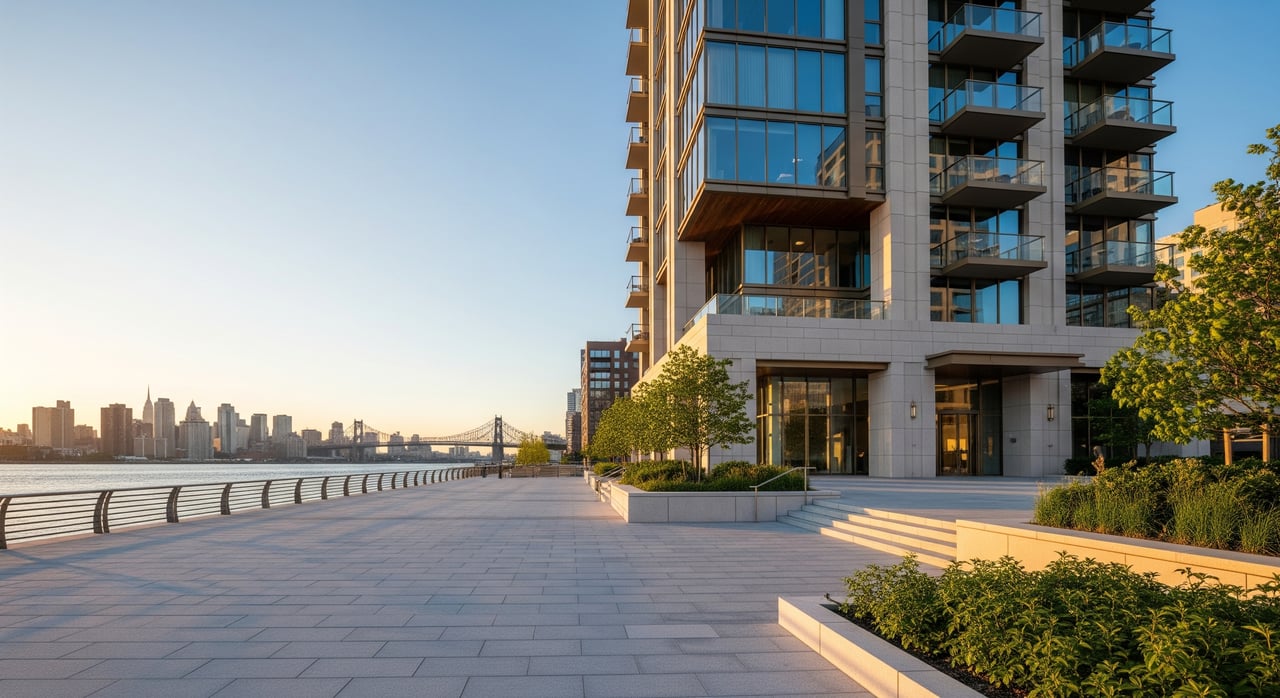
Waterfront homes and unobstructed Manhattan or East River views often carry a clear premium. That premium reflects scarcity of riverfront parcels, larger windows and terraces, and strong marketing appeal. Floor height and orientation matter too. If you want to quantify a view premium, compare recent per-square-foot figures for similar units within the same building tier and isolate the effect of views and outdoor space.
Building product and amenities
Amenity-rich towers market a lifestyle as much as a home. Doorman and concierge services, gyms and pools, co-working lounges, bike storage, and children’s rooms help justify higher asking prices. Layouts and finishes play a role as well. Open kitchens, window walls, and smart-home features can support higher price points. Keep in mind that full-service buildings also carry higher common charges, which affect your all-in monthly cost even if the list price feels right.
Supply pipeline and absorption
New development pricing in LIC moves with the pipeline. When many units deliver at once and sales velocity slows, you tend to see more concessions, price cuts, or longer days on market. When inventory tightens and absorption improves, developers and sellers gain pricing power. Watch the flow of new deliveries alongside signed contracts, not just active listings, to judge how realistic asks are.
Developer costs and financing
Behind every price is a spreadsheet. Land costs, materials and labor, construction financing, design and marketing, and developer profit all roll into target pricing. When construction or interest costs rise, minimum pricing tends to rise too. When rates or soft costs ease, developers may have more flexibility. If you are tracking near-term pricing pressure, look at permitting and construction-loan activity as early signals.
Tax incentives and affordability rules
Tax abatements and inclusionary housing rules can materially change both a project’s pricing strategy and your net cost of ownership. An abatement can lower early-year property taxes, which improves affordability. Always verify whether a building benefits from an abatement, how long it runs, and what your taxes may look like when it expires. Also note whether a project includes deed-restricted affordable units, since that can affect the comparable set you use.
Macro market conditions
Broader NYC cycles, mortgage rates, investor appetite, and local employment trends influence LIC pricing. When financing costs fall or job growth strengthens in nearby office hubs, demand often picks up. When rates rise or hiring slows, buyers and renters tend to push harder on negotiation and concessions.
How to read ask vs achieved pricing
Use a repeatable process so you do not overpay for marketing polish.
- Gather the right metrics
- Sale price and sale date.
- Asking price and list date.
- Price per square foot for both ask and sale.
- Days on market and time to contract.
- Sale-to-list ratio, calculated as sale price divided by last asking price.
- Concessions and post-listing price changes.
- Make apples-to-apples comparisons
- Match by building tier, unit type, floor, orientation, and outdoor space.
- Prefer closed sales from the last 3 to 6 months. If you use asks, remember that closed results often lag by 1 to 3 months.
- Adjust for abatements and concessions so you are comparing net effective value, not just headline prices.
- Do simple calculations
- Price per square foot: sale price divided by interior square footage. Track medians across comparable sets.
- Sale-to-list ratio: values below 1 suggest negotiation or concessions; values above 1 may indicate a bidding environment.
- Net effective rent for rentals with concessions: total rent over the lease term minus the value of concessions, divided by the number of months.
LIC vs nearby Queens options
- Astoria: More low to mid-rise buildings and older stock. Newer product exists, but the average per-square-foot pricing often trends lower than LIC’s luxury high-rises.
- Sunnyside and Woodside: Primarily residential and historically lower priced than LIC for new towers, with fewer high-rise options and longer commutes to core Midtown job centers.
- LIC inland sub-areas: Away from the waterfront, you can still find modern buildings with varying amenity levels, sometimes at a discount to riverfront product.
If you value amenity density, transit options, and river views, LIC often justifies its premium. If your priority is absolute price over building services or views, neighboring areas can offer value.
Amenity and common-charge tradeoffs
Higher service levels can support higher prices but also lead to larger monthly carrying costs. When you compare two buildings at similar list prices, run the math on common charges and taxes. The lower-fee building may offer better long-term affordability, even if the finishes are more modest.
Supply signals to watch
- A wave of new deliveries paired with slower signings can produce broader price reductions.
- Rising active inventory without matching absorption often leads to longer marketing times.
- Multiple buildings posting frequent price cuts may signal that initial asks were optimistic.
Practical buyer and renter checklist
Use this quick list to keep your analysis tight:
- Commute test: Time the trip from the lobby to Midtown during your normal commute window.
- View audit: Compare same-line, same-tier units on lower vs higher floors to quantify view premiums.
- Amenity fit: List the amenities you will actually use and weigh them against common charges.
- Abatement review: Confirm whether a unit has a tax abatement, the term, and projected taxes after expiration.
- Comp set: Pull 5 to 10 recent closed sales that match building tier, line, and exposure.
- Sale-to-list check: Look for patterns of discounts or bidding near your building of interest.
- Concession math: For rentals, calculate net effective rent and compare across similar buildings.
- Pipeline scan: Note projects under construction nearby to anticipate future supply.
Negotiation cues from market data
- If DOM is lengthening and multiple price reductions appear across similar projects, negotiation leverage tends to improve.
- If sale-to-list ratios climb toward or above 1 and inventory tightens, expect firmer pricing with fewer concessions.
- Units with unique views, terraces, or top lines can resist broader neighborhood trends, so evaluate them within their micro-comp set.
How I help you compare and win in LIC
As a marketing-led advisor, I help you separate storytelling from substance. Together, we will map your commute, quantify view and amenity premiums, and build a comp set that accounts for abatements and concessions. You get clear, data-backed guidance and steady help from first tour through closing or lease signing.
Ready to zero in on value in Long Island City? Schedule a personalized consultation with Kunal NYC Real Estate.
FAQs
Why are Long Island City new developments priced higher than other Queens areas?
- LIC concentrates modern high-rise product, strong transit access to Midtown, and waterfront inventory with views, all of which support higher pricing.
How big is the waterfront and view premium in LIC?
- It varies by building and line. Compare price per square foot for similar units in the same tier to isolate how views, terraces, and floor height affect pricing.
Do tax abatements meaningfully change ownership costs?
- Yes. Abatements can lower early-year property taxes and improve monthly affordability. Always confirm the abatement term and projected post-expiration taxes.
What signals suggest an asking price is unrealistic?
- Clusters of price reductions, growing inventory versus slower absorption, longer days on market, and wide gaps between asks and recent closed prices per square foot.
How should I compare asking and closed prices in LIC?
- Focus on recent closed sales, calculate sale-to-list ratios, and adjust for concessions and abatements so you are comparing net effective value across true peers.
Should renters expect concessions in LIC right now?
- Concessions are cyclical. When supply outpaces demand, you tend to see free months or fee assistance. When demand tightens, concessions decline. Review current building-level patterns before you apply.