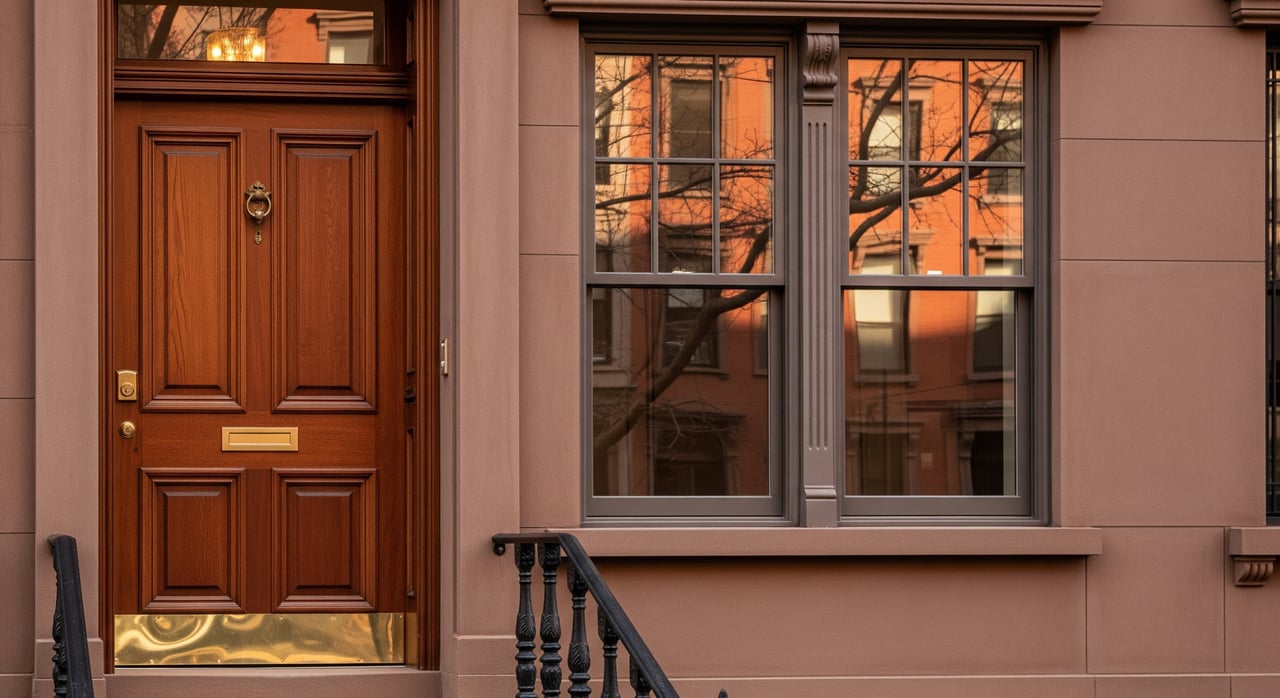
Cold drafts, sticky sashes, and rattling panes can make even the most beautiful Cobble Hill brownstone feel tired. If you love the look of your original windows and doors but want better comfort and longevity, you are not alone. With the right upkeep, you can preserve historic character, improve energy performance, and stay compliant with local rules. This guide walks you through what to check, what to fix, and when to call in a pro. Let’s dive in.
Why historic windows matter in Cobble Hill
Cobble Hill’s rowhouses and brownstones often retain 19th-century wood double-hung windows and solid wood doors. Those slim muntins, deep sills, and original hardware are part of your home’s story and a big part of the streetscape.
Much of Cobble Hill sits within New York City Landmarks Preservation Commission review areas. Exterior changes that are visible from the street, including window or door replacements, new storms, or altered profiles, often need LPC approval or a Certificate of No Effect. The NYC Department of Buildings also oversees structural and safety work. If your home predates 1978, treat painted surfaces as potentially lead-based and follow EPA Renovation, Repair, and Painting requirements when hiring contractors.
New York’s climate adds stress. Humid summers, cold winters, and repeated freeze and thaw cycles can cause paint failure, glazing putty cracks, and wood movement. Proximity to the harbor increases moisture exposure. Your top priorities are to control moisture, keep paint and glazing intact, and limit standing water on wood surfaces.
Know your windows and doors
Understanding the parts helps you maintain them correctly and talk confidently with contractors.
- Sash: Wood double-hung units with two operable sashes are common. Many have true divided lights and narrow muntins.
- Glazing: Linseed oil putty holds the glass in the sash rabbets.
- Weights and cords: Rope-and-weight systems counterbalance sashes. Some homes have chains, spiral, or channel balances.
- Weatherstripping: Original felt or metal strips may still be present. Gaps often grow over time.
- Hardware: Sash locks, lifts, stops, mortise locks, hinges, and storm hardware.
- Sills and trim: Sills are especially vulnerable to water and rot.
Common issues include wood rot at sills and lower rails, cracked glazing putty, paint buildup that seizes sashes, broken cords or balances, missing weatherstripping, and corroded hardware. Interior condensation is another red flag that can speed up deterioration.
Quick inspection checklist
A simple routine helps you catch small problems early.
- Exterior: Look at sill bottoms, lower rails, and corners for soft spots, staining, or water trails. Check glazing putty and paint adhesion. Review caulking where trim meets masonry.
- Interior: On a breezy day, use your hand or an incense stick to find drafts. Check for condensation. Test sash travel and balance. Look for paint cracking at meeting rails and loose hardware.
- After storms and seasonally: Inspect after heavy weather, before winter, and after the spring thaw.
Seasonal maintenance schedule
A predictable rhythm makes upkeep easier and keeps historic fabric intact.
Spring essentials
- Remove interior storms if you use them and air out sash pockets.
- Tighten fasteners and clean tracks and pockets.
- Test balance and replace any frayed cords.
- Spot-prime and repaint small areas where paint has failed.
Summer focus
- Keep sills and exterior joints clean and free of debris.
- Allow damp areas to dry fully before repainting.
- Avoid painting during high humidity to help coatings cure correctly.
Fall prep
- Reinstall interior storms or add historically sensitive exterior storms where appropriate.
- Inspect and upgrade weatherstripping at meeting rails, perimeters, and the sill-to-sash contact.
- Lubricate locks, pulleys, and hinges.
- Check glazing and touch up small putty cracks.
Winter watch
- Keep weep paths or drainage openings clear if present.
- Monitor for drafts and condensation and address promptly.
DIY-friendly fixes that preserve character
Small, careful repairs can deliver big comfort gains without changing the look of your façade.
- Paint management: Scrape only loose paint to sound wood, prime, and repaint. Avoid heavy sanding that alters profiles or closes sightlines. Keep edges crisp around muntins.
- Glazing touch-ups: Where putty is cracked but glass is secure, remove loose material and reapply a compatible glazing compound. If many joints are failing, a restoration glazier with historic window experience is a smart call.
- Sash operation: Replace broken sash cords in rope-and-weight systems. If access is tight, a spiral balance retrofit can be a reversible option that keeps the historic appearance.
- Weatherstripping: Use low-profile, paintable options designed for historic sash. Adhesive-backed V-strip, felt in hidden spots, or narrow brush seals can cut drafts without changing the look.
- Hardware care: Clean and lubricate original locks, lifts, and hinges. Graphite works well on locks, and a light oil is fine on pivots and pulleys. Reuse original brass or iron whenever possible.
- Storm strategies: Interior storm inserts offer a big thermal boost while preserving exterior appearance. Thin-profile exterior storms can also work, but visible changes typically require LPC review.
Safety note: If your home was built before 1978, assume paint may contain lead. Use lead-safe containment and cleanup, and hire EPA RRP-certified contractors for work that disturbs painted surfaces.
Energy upgrades with minimal visual impact
Start with air sealing, then add layers that improve comfort without altering historic profiles.
- Stop infiltration first: Tight weatherstripping, sound glazing putty, and tuned sash reduce the biggest energy losses.
- Interior storm windows: High-quality, removable interior storms, including low-e options, can significantly improve thermal performance while keeping exterior sightlines intact.
- Exterior storms: Effective, but if visible from the street, they usually require LPC review. Choose narrow frames and sympathetic colors.
- Secondary strategies: Cellular shades, lined draperies, and insulated blinds help at night. Improving insulation elsewhere in the home reduces overall heat loss and complements window work.
- Replacement thresholds: Consider replacement only when a sash or frame is beyond repair or fails to meet safety needs. Replication should match original profiles and sightlines, and you should plan to consult LPC for visible work.
When to call a pro and check permits
Bring in expert help when issues are widespread or structural, or when rules apply.
- Professional triggers: Rot affecting more than a quarter of a sill or rail, recurring rot after prior fixes, out-of-square frames or structural movement, many panes needing reglazing, or chronic condensation that suggests thermal bridging.
- Water and mold: Evidence of long-term water infiltration, interior mold, or framing decay warrants expert evaluation.
- Lead-safe work: If painted surfaces will be disturbed, use EPA RRP-certified contractors.
- Permits and LPC: Many visible exterior changes in historic districts need LPC approval. The NYC Department of Buildings may require permits and licensed contractors for structural or major work.
How to choose the right contractor
The right specialist preserves both performance and appearance.
- Ask for experience with historic window repair, sash restoration, and preservation carpentry.
- Request references and before and after photos of similar projects in historic districts.
- Discuss approach and materials. Ask how they will preserve sightlines and muntin profiles, what glazing compounds they use, and whether they will re-use original hardware.
- Get two to three bids. Compare scope, materials, and timelines, not just price.
- Document before you start. Take photos and measurements of profiles, hardware, and glazing patterns so any replacements match.
Signs your repairs worked
Good repairs are visible and feelable in everyday use.
- Sashes operate smoothly, stay where you set them, and meeting rails align.
- Drafts are reduced, and you see no new water stains after rain.
- Fresh glazing and paint remain sound through several seasons.
- Rot does not return in the same spot.
If problems return quickly, if frames are distorted, or if you still have major drafts or water infiltration after weatherstripping and storms, bring in a pro to reassess.
Bringing it all together
You can keep your Cobble Hill home’s windows and doors original, comfortable, and compliant with a practical plan. Inspect seasonally, fix small issues early, add low-visibility energy improvements, and consult the right experts for bigger items. When exterior changes are visible from the street, contact LPC first and plan your steps to avoid delays.
If you are weighing preservation updates before selling or buying in the neighborhood, or you want a referral to reliable window specialists, reach out. Schedule a personalized consultation with Kunal Khemlani to align your upkeep plan with your broader real estate goals.
FAQs
What should Cobble Hill owners check first on historic windows?
- Start at the sills and lower rails for rot, then review glazing putty, paint adhesion, weatherstripping, and hardware function. Look for drafts on a breezy day.
Do I need Landmarks approval to add storm windows in Cobble Hill?
- Interior storm inserts are typically not visible and are often acceptable. Exterior storms visible from the street usually require LPC consultation or approval.
How can I cut drafts without replacing my windows?
- Tighten and upgrade weatherstripping, tune or replace sash cords, touch up glazing, and add interior storms. These steps often deliver the biggest gains for the least visual impact.
When is full window replacement appropriate in a historic home?
- Consider replacement only when components are beyond repair, structural safety is compromised, or repeated repairs do not restore function. Match original profiles and consult LPC for visible changes.
What lead paint precautions apply to my pre-1978 brownstone?
- Assume painted surfaces may contain lead. Use EPA RRP-certified contractors for work that disturbs paint, and follow containment and cleanup best practices.
How often should I repaint exterior sash and sills?
- Inspect yearly and touch up as needed. Full repainting cycles vary by exposure and moisture but keeping coatings sound is critical to prevent rot and glazing failure.